
When to Take Your Pet to an Animal Hospital

When to Take Your Pet to an Animal Hospital
If you are a pet owner in Huntsville, AL, you know how quickly an unexpected accident or sudden illness can turn a normal day into a stressful emergency. Knowing when to take your dog or cat to an animal hospital can be the difference between a smooth recovery and a life-threatening situation. At Huntsville Veterinary Specialists & Emergency, located at 800 Doctor Joseph E. Lowery Boulevard, Huntsville, AL 35801, our team of veterinarians is available 24/7 to provide immediate, life-saving care for pets when every second counts. Walk-ins are always welcome; no appointment is needed, so you never have to wait for help when your regular veterinarian’s office is closed or unavailable.
In this blog, we will cover the most important signs and symptoms that mean your pet needs urgent care at an animal hospital right away. We will also explain what causes these emergencies, what to expect once you arrive, and how to prevent common crises in the future. Whether your pet has suffered trauma, is showing signs of poisoning, or is simply not acting like themselves, understanding when to seek professional help can give your pet the best chance for a full recovery.
Recognizing an Emergency: Signs Your Pet Needs an Animal Hospital
Emergencies rarely announce themselves clearly, and it can be difficult to know when your pet’s symptoms are serious enough to warrant a visit to an animal hospital. Key symptoms that require immediate attention include difficulty breathing, persistent vomiting or diarrhea (especially if there is blood), severe lethargy or collapse, sudden weakness, seizures, uncontrolled bleeding, and signs of pain such as whining, limping, or hiding. Additional warning signs are a distended or bloated abdomen, inability to urinate or defecate, heatstroke symptoms like excessive panting or drooling, and exposure to toxins or poisonous substances.
Some emergencies are instantly obvious, such as being hit by a car, falling from a height, or sustaining bite wounds. However, others can be more subtle, such as pale gums, rapid heart rate, or sudden disorientation. Cats, in particular, are experts at hiding pain, so any sudden behavior change or refusal to eat should be taken seriously. If you are ever unsure, it is always safer to err on the side of caution and bring your pet to an animal hospital for evaluation. Immediate care can prevent complications and save lives.
Understanding Why Emergencies Happen
Pets can experience medical emergencies for a variety of reasons. Accidents are a common cause, whether it is a dog darting into the street, a cat ingesting a houseplant, or a pet sustaining injuries during play. Other emergencies stem from underlying medical conditions such as heart disease, diabetes, or organ failure that suddenly worsen without warning. Heatstroke is a particular risk in the Huntsville area, especially during the hot, humid summers, when pets are left outside without adequate shade or water.
Poisoning is another frequent reason for emergency visits; household items like chocolate, xylitol (found in sugar-free gum), certain medications, antifreeze, and even some plants can be deadly for pets. Additionally, insect bites, allergic reactions, and infectious diseases can all lead to acute symptoms that require urgent medical attention. Recognizing the environmental and health risks that exist for pets in Huntsville and surrounding communities helps pet owners stay vigilant and prepared.
What to Expect at the Animal Hospital: Emergency Veterinary Care
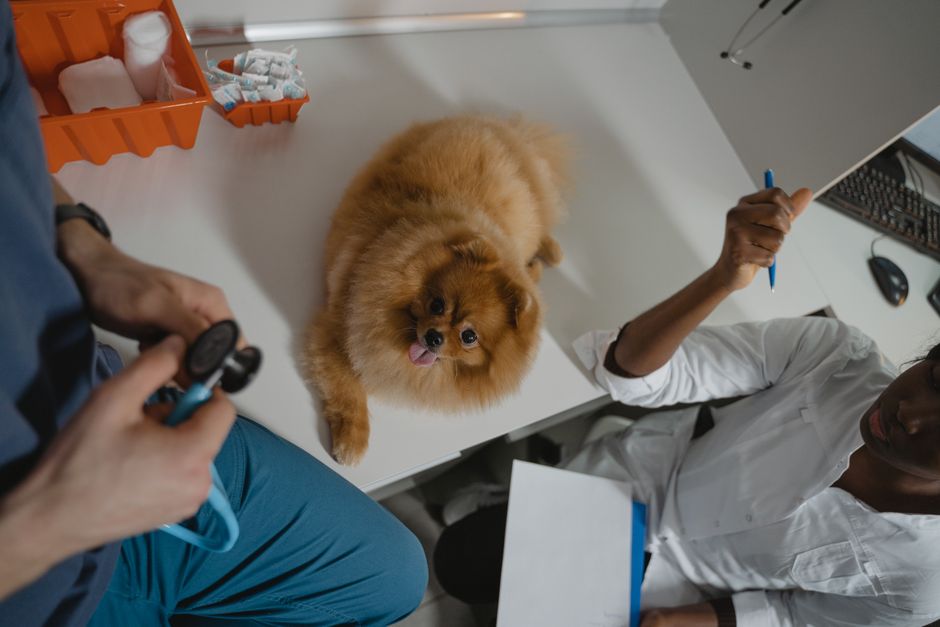
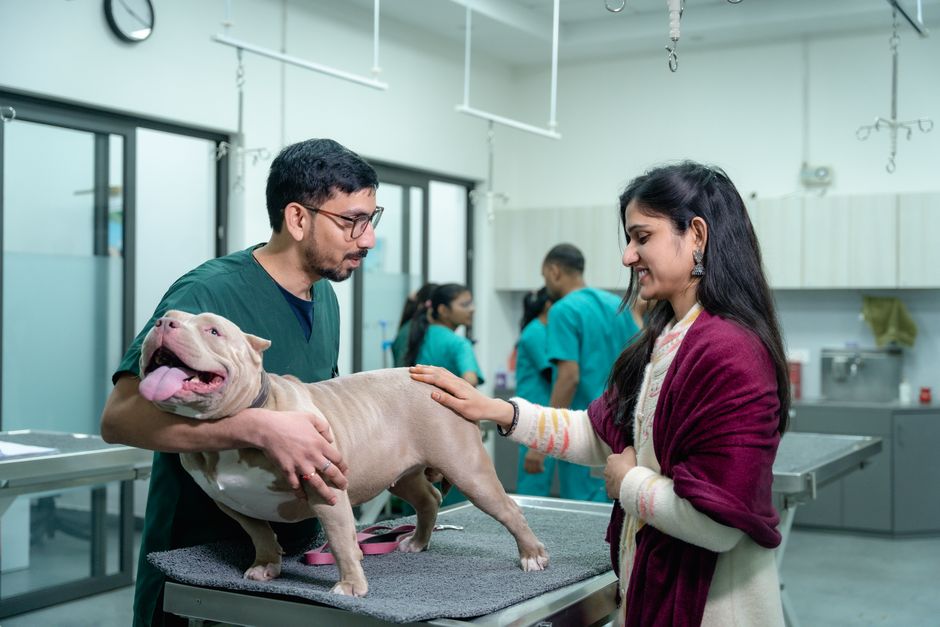
When you arrive at an animal hospital like Huntsville Veterinary Specialists & Emergency, your pet will be triaged by our veterinary professionals as soon as you walk through the door. This means our team will assess your pet’s vital signs and symptoms to prioritize the most urgent cases first. Immediate stabilization of breathing, heart rate, and circulation is the first step, followed by pain management and diagnostic testing. Our facility is equipped for advanced diagnostic imaging, including MRI and CT scans, which allows us to quickly identify internal injuries or illnesses.
Treatment approaches depend on your pet’s specific needs. Some pets may require oxygen therapy, intravenous fluids, blood transfusions, or emergency surgery. Our board-certified surgeons are available for complex cases, including trauma, internal bleeding, or foreign object removal. For cases involving toxins or unknown illnesses, our diagnostic capabilities enable us to identify the root cause and begin life-saving treatment quickly. You can learn more about our emergency veterinary care and advanced diagnostic imaging services on our website.
Throughout the process, our veterinary team will communicate with you about your pet’s condition, treatment options, and expected outcomes. We understand how stressful these situations are, and we do everything possible to provide compassionate support and clear information every step of the way.
Caring for Your Pet at Home: Prevention and First Aid
While not every emergency can be prevented, there are steps you can take at home to reduce your pet’s risk. Keeping dangerous foods, medications, and chemicals securely out of reach is a crucial first step. Monitoring your pet during outdoor activities and providing a safe, escape-proof yard can prevent accidents like being hit by a car or ingesting toxic substances. In the warm Alabama climate, always provide fresh water and shade during the summer, and never leave your pet in a parked car, even for a few minutes.
Basic first aid knowledge can also make a difference in an emergency. For example, knowing how to safely transport your injured pet, control bleeding with gentle pressure, or flush the mouth or eyes if your pet is exposed to a toxin can buy valuable time on the way to the animal hospital. However, first aid is never a substitute for professional care. Even if your pet seems to improve, underlying injuries or poisonings may not be apparent without veterinary evaluation.
Regular checkups with your primary veterinarian are also important for detecting chronic health issues before they become emergencies. Keep your pet up-to-date on vaccinations and parasite prevention, and always have a plan for who to call if an emergency happens after hours.
When to Seek Immediate Veterinary Care
The single most important thing to remember is that if you are in doubt, it is always better to seek help from an animal hospital immediately. Delaying care can make a treatable problem much more serious or even fatal. You should take your pet to the animal hospital right away if they have trouble breathing, uncontrolled bleeding, collapse, severe trauma, or signs of poisoning. Other situations that require urgent attention include persistent vomiting or diarrhea, inability to urinate, seizures, sudden lameness or paralysis, or exposure to extreme heat or cold.
If your regular veterinarian is closed or unavailable, Huntsville Veterinary Specialists & Emergency is open 24/7, including nights, weekends, and holidays. Walk-ins are welcome, and you never need an appointment. Our location at 800 Doctor Joseph E. Lowery Boulevard, Huntsville, AL 35801 is easy to find and equipped to handle any emergency, so you do not have to wait for your regular vet to open or search for help when every minute counts.
If you are searching for an “emergency vet near me,” our team is always here to help your pet in their moment of need.
Why Immediate Care at an Animal Hospital Can Save Your Pet’s Life
Every year, thousands of pets in Huntsville and surrounding communities experience emergencies that require rapid intervention. The sooner your pet receives professional care, the better their chances of recovery and survival. Animal hospitals like Huntsville Veterinary Specialists & Emergency are staffed by skilled veterinarians who are trained to handle the most critical situations, from trauma and poisoning to acute illnesses and surgical emergencies.
Our advanced facilities allow us to diagnose, stabilize, and treat a wide range of conditions all under one roof. Whether your pet needs emergency surgery, rehabilitation, or ongoing monitoring, our veterinary professionals are committed to providing the highest level of care. Remember, no situation is too small to ask for advice. Bringing your pet to an animal hospital, even if you are unsure, ensures that nothing is missed and that your beloved companion gets the care they deserve.
Take Action: When in Doubt, Visit Huntsville’s Trusted Animal Hospital
If you think your dog or cat might be experiencing an emergency, do not wait—bring them to Huntsville Veterinary Specialists & Emergency immediately. Walk-ins are always welcome, and we are open 24 hours a day, seven days a week, including holidays and weekends. Our experienced veterinary team is ready to provide life-saving care whenever you need it. Visit us at 800 Doctor Joseph E. Lowery Boulevard, Huntsville, AL 35801, or call (512) 475-4700 if you have questions about your pet’s symptoms.
For more information about our emergency veterinary care, diagnostic capabilities, or what to expect during your visit, explore our website or reach out anytime. When you need an animal hospital in Huntsville, our compassionate veterinary professionals are here to give your pet the best chance for a healthy tomorrow.