
Achilles Tendon Injury & Surgery in Dogs / Canines

Achilles tendon injuries in dogs can cause pain, lameness, and difficulty in walking or bearing weight on the affected leg. These injuries are typically caused by trauma, such as a sudden twisting or excessive stretching of the tendon. Here is an overview of Achilles tendon injuries in dogs, including signs and symptoms, diagnostics, treatment, and aftercare:
Signs and Symptoms
- Limping or favoring one leg.
- Swelling and heat around the affected area.
- Pain or discomfort when touching or manipulating the tendon.
- Reluctance to bear weight on the affected leg.
- Abnormal gait, with the affected leg extending less than usual during movement.
Diagnostics
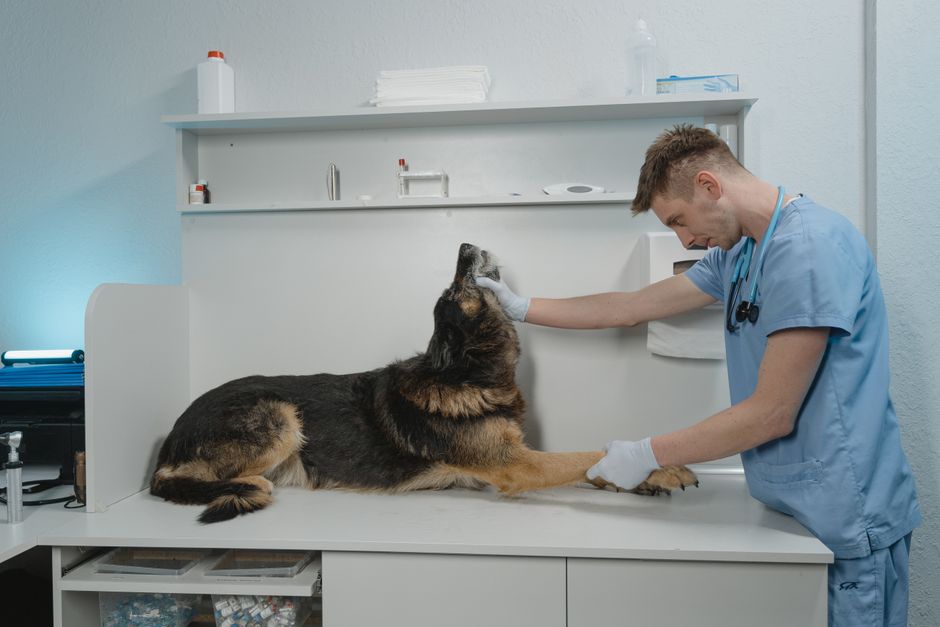
- Physical examination: The veterinarian will assess your dog's gait, palpate the tendon, and look for signs of swelling or discomfort.
- X-rays: Radiographs may be taken to rule out other conditions or assess the extent of the injury.
- Ultrasound: This can provide detailed images of the Achilles tendon to determine the severity of the injury.
Treatment
- Conservative management: Mild injuries may be treated conservatively with rest, restricted activity, and pain management. This approach is typically suitable for partial tears or strains.
- Surgical intervention: Severe cases, including complete tendon ruptures, often require surgery. The procedure involves suturing the torn ends of the tendon back together or reconstructing the tendon using other nearby structures.
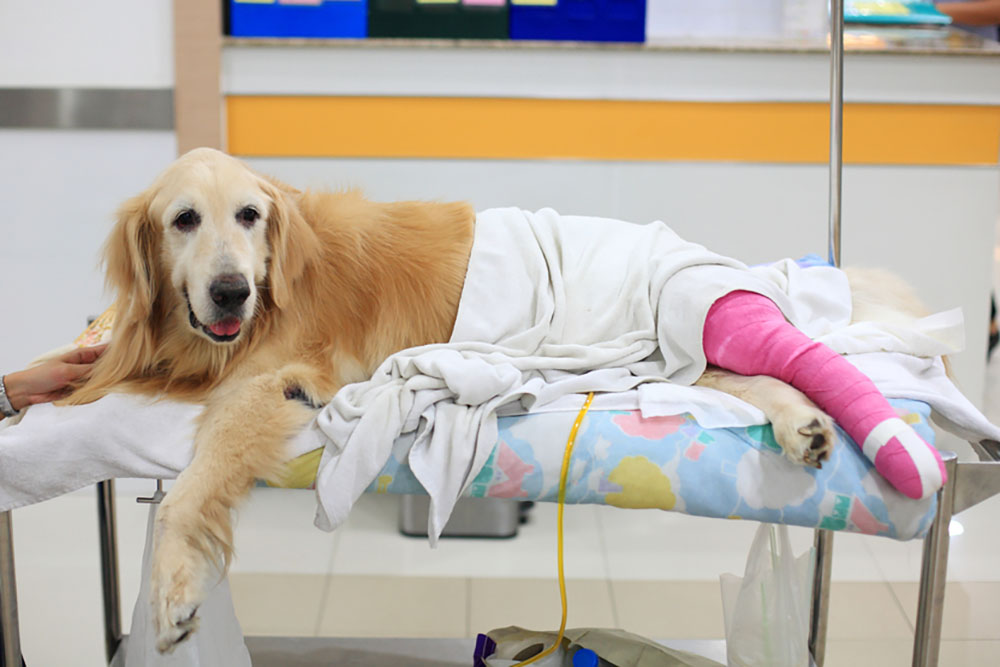
- Immobilization: After surgery, the affected leg may be placed in a cast or splint to immobilize the joint and protect the healing tendon.
Aftercare
- Rest and restricted activity: Dogs with Achilles tendon injuries need a period of rest to allow the tendon to heal. Strict activity restriction and controlled exercise are crucial during the recovery phase.
- Medication: Your veterinarian may prescribe pain medications or anti-inflammatory drugs to alleviate discomfort and reduce inflammation.
- Physical therapy: Rehabilitation exercises, such as range of motion exercises, massage, and controlled walking, may be recommended to help strengthen the tendon and improve mobility.
- Follow-up appointments: Regular check-ups with your veterinarian will monitor the healing process and ensure that your dog is progressing well.
It's important to consult with a veterinarian if you suspect your dog has an Achilles tendon injury. They can provide a proper diagnosis, recommend the most appropriate treatment, and guide you through the recovery process.