
CCL Surgery in Dogs: What to Expect and When to Act

CCL Surgery in Dogs: What to Expect and When to Act
Is your dog suddenly limping or struggling to walk? Watching your beloved companion experience pain or loss of mobility can be frightening, especially when you are unsure if it is an emergency or a problem that can wait. Cranial cruciate ligament (CCL) injuries are among the most common orthopedic issues affecting dogs, often leading to sudden lameness, discomfort, and the need for advanced surgical care. At Huntsville Veterinary Specialists & Emergency, located at 800 Doctor Joseph E. Lowery Boulevard, Huntsville, AL 35801, our team provides 24/7 emergency and urgent care, including advanced diagnostics and CCL surgery in dogs. Walk-ins are always welcome, and no appointment is needed if your dog is in distress—our veterinary professionals are here when your regular vet is not available, ensuring your pet receives the critical attention they need. In this blog, you will learn how to recognize signs of a CCL injury, when to seek immediate care, what CCL surgery involves, and how to help your dog recover safely and quickly.
Recognizing a CCL Injury: Signs Your Dog Needs Help
A CCL injury can happen in a split second—sometimes during an energetic play session, a quick turn at the dog park, or even just when your dog gets up from resting. The cranial cruciate ligament stabilizes the knee joint, and when it tears or ruptures, it can cause significant pain and sudden changes in your dog’s mobility.
Key symptoms of a CCL injury include sudden limping or lameness, especially in a back leg; difficulty rising or reluctance to put weight on one leg; visible swelling or thickening around the knee; and sometimes a popping or clicking sound when your dog moves. Some dogs may hold the affected leg up entirely, while others may still try to walk but show a clear limp. You might also notice your dog is less willing to jump, run, or climb stairs. In more severe cases, your dog may yelp in pain at the moment of injury or show ongoing signs of discomfort, such as licking at the knee or becoming withdrawn.
It is important to remember that other conditions—such as hip dysplasia, fractures, or dislocations—can cause similar symptoms. If your dog is suddenly lame or seems to be in pain, do not wait to see if it improves on its own. Immediate evaluation by a veterinary professional can make a significant difference in outcomes. Huntsville Veterinary Specialists & Emergency offers 24/7 access to emergency veterinary care for dogs with sudden lameness, pain, or traumatic injuries, so you never have to wait for help.
Understanding the Causes: Why Do CCL Injuries Occur in Dogs?
The CCL in dogs is similar to the ACL in people. It is a crucial ligament that stabilizes the knee (stifle) joint and helps prevent the bones from sliding out of place. In dogs, the CCL is prone to both acute injuries and gradual degeneration over time.
Acute CCL injuries often occur during high-energy activities, such as chasing a ball or making a sudden turn while running. However, many CCL injuries are the result of chronic weakening of the ligament, where repeated minor stresses eventually lead to a partial or complete tear. Factors that contribute to CCL injuries include breed predispositions (with Labradors, Rottweilers, and other large breeds being more at risk), obesity, poor body condition, and age-related degeneration. Some dogs may suffer bilateral injuries, affecting both knees, either at the same time or sequentially.
Environmental factors such as slippery floors, uneven ground, or even a misstep while climbing can trigger an injury in a predisposed dog. Additionally, once one CCL is damaged, the opposite leg is at higher risk due to increased strain. Recognizing these risk factors and taking preventive steps can help protect your dog, but sometimes even the most careful owners find themselves facing this unexpected emergency.
CCL Surgery in Dogs: What the Procedure Involves
When your dog has a CCL injury, surgical repair is often recommended, especially for larger dogs or those with complete tears. At Huntsville Veterinary Specialists & Emergency, our veterinary surgeons are trained in advanced techniques for CCL surgery in dogs, offering the latest options to restore comfort and mobility.
Surgical approaches include procedures such as the Tibial Plateau Leveling Osteotomy (TPLO), Tibial Tuberosity Advancement (TTA), and extracapsular repair. The choice of surgery depends on your dog’s size, activity level, age, and the specifics of their injury. Each method aims to stabilize the knee, prevent further joint damage, and allow your dog to return to a pain-free life.
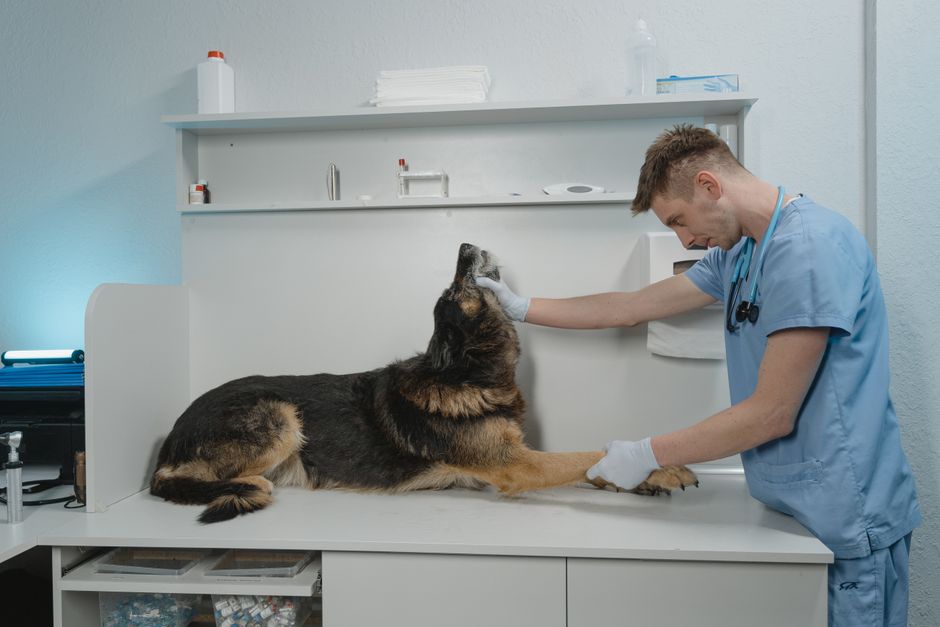
During a typical surgical evaluation, your dog will undergo a thorough orthopedic exam, often accompanied by digital radiology or advanced imaging like CT scans or MRI. These diagnostics help confirm the diagnosis, rule out other injuries, and plan the most effective surgical approach. After surgery, your dog will be carefully monitored as they recover from anesthesia and the procedure itself. Our team uses advanced pain management and supportive care to ensure your dog’s comfort throughout the process.
If you would like to learn more about the surgical options available for orthopedic conditions like CCL injuries, please visit our orthopedic surgery services page.
What to Expect After Surgery
Recovery from CCL surgery is a gradual process. Your dog will need to rest and avoid strenuous activity for several weeks. Controlled leash walks, supervision, and a safe, confined space at home are crucial during the healing period. Swelling, bruising, and some discomfort are expected, but your veterinary team will provide detailed instructions and medications to manage pain and support healing.
Physical therapy and conditioning play a vital role in helping your dog regain strength, flexibility, and confidence after surgery. Our canine rehabilitation resources offer guidance on exercises, home care strategies, and follow-up visits to monitor progress and prevent complications.
Prevention and Home Care: Supporting Your Dog’s Joint Health
While some CCL injuries are unavoidable, there are steps you can take to reduce your dog’s risk and support their recovery. Maintaining a healthy weight is one of the most important factors, as excess weight puts additional strain on your dog’s joints. Regular, controlled exercise helps keep muscles strong and joints flexible, but avoid activities that involve sudden stops, sharp turns, or high-impact jumping, especially if your dog is already at higher risk.
Make your home environment safer by providing non-slip surfaces, using ramps for cars or furniture, and supervising your dog during outdoor play. For dogs recovering from CCL surgery, follow all post-operative instructions closely—this includes administering medications, attending follow-up appointments, and participating in recommended rehabilitation exercises. Watch for any changes in your dog’s gait, swelling at the surgical site, or signs of pain, and contact your veterinary team if you have concerns.
If you are unsure whether your dog’s symptoms are improving or if you have questions about home care, do not hesitate to reach out. Early intervention can prevent setbacks and ensure your dog’s best chance at a full recovery.
When to Seek Immediate Veterinary Care
Not all limping in dogs is an emergency, but certain signs should prompt you to seek help right away. If your dog is unable to bear weight on a leg, is in obvious pain, or has suffered a traumatic injury such as a fall or car accident, immediate evaluation is essential. Other red flags include severe swelling, visible deformity, excessive vocalization, or sudden inability to rise or walk. If your dog has a known CCL injury and suddenly worsens or develops new symptoms, do not wait to seek care.
At Huntsville Veterinary Specialists & Emergency, we provide around-the-clock access to emergency services with no appointment needed. Walk-ins are always welcome, and our emergency veterinary professionals are ready to assess, diagnose, and treat your dog anytime—day or night. Even if you are unsure whether your dog’s symptoms require emergency attention, it is always safer to have a veterinary team evaluate the situation promptly.
Your Partner in Urgent Orthopedic Care
Facing the possibility of CCL surgery in dogs can be overwhelming, but you do not have to navigate this journey alone. The veterinary professionals at Huntsville Veterinary Specialists & Emergency are committed to providing compassionate, expert care for dogs experiencing sudden lameness, pain, or orthopedic injuries. We serve Huntsville, AL and surrounding communities, ensuring your dog receives the advanced diagnostics, surgical expertise, and rehabilitation support needed for the best possible outcome.
If you notice any signs of a CCL injury or your dog is in pain, do not wait—walk-ins are always welcome, and immediate care is available when your regular veterinarian is closed or unavailable. For more information about our surgical and emergency services, visit our veterinary surgical services page or contact our team directly at (512) 475-4700. When searching for an emergency vet near me, trust our experienced veterinary team at Huntsville Veterinary Specialists & Emergency to help your dog get back on their feet with timely, effective CCL surgery in dogs.
If you have any questions or concerns, please reach out—we are here to help at any hour, with advanced care and genuine compassion for your dog’s wellbeing.
Disclaimer: This blog is for informational purposes only and does not replace professional veterinary advice. Always consult your veterinarian for a diagnosis and tailored treatment plan for your dog’s specific needs. If you believe your dog is experiencing a medical emergency, seek immediate veterinary care.