
Identifying Pet Poisoning: Emergency Signs and When to Act


Identifying Pet Poisoning: Emergency Signs and When to Act
When your dog, cat, or exotic pet suddenly shows strange symptoms at home, every minute counts. Accidental poisoning is one of the most common and frightening emergencies for pet owners in Huntsville and surrounding communities. Whether your curious puppy chewed a bottle of medication, your cat nibbled on a toxic houseplant, or your bird got into something it shouldn’t, knowing what to do can make all the difference. At Huntsville Veterinary Specialists & Emergency, located at 800 Doctor Joseph E. Lowery Boulevard, Huntsville, AL 35801, we provide 24/7 emergency and urgent care for small animals and exotic pets. Walk-ins are always welcome and no appointment is needed—our veterinary team is here whenever your regular vet isn’t available, including nights, weekends, and holidays.
This blog will help you recognize the urgent signs of poisoning in dogs, cats, and exotic pets, explain the most common household toxins in North Alabama homes, and guide you through what to do if you suspect your pet has been exposed. You’ll also learn how our emergency veterinary care can give your pet the best chance of recovery during a poisoning crisis.
Recognizing the Emergency: Signs of Poisoning in Dogs, Cats, and Exotic Pets
Every pet responds differently to toxins, but prompt recognition of abnormal symptoms is key. Poisoning can mimic other illnesses, so it’s important to act if your pet suddenly becomes ill, especially after possible exposure to a toxic substance.
Common Poisoning Symptoms in Dogs and Cats
Key signs that your pet may have ingested or come into contact with a toxin include sudden vomiting or diarrhea, excessive drooling, pale or yellow gums, loss of coordination, severe lethargy, or tremors. Other signs to watch for are abnormal heart rate, difficulty breathing, collapse, seizures, or sudden behavioral changes such as agitation, confusion, or vocalization.
Some toxins may cause specific symptoms. For instance, rodenticide exposure can lead to bruising or bleeding, while ingestion of chocolate or certain medications can cause rapid heart rate and tremors. If your dog or cat is pawing at the mouth, foaming, or experiencing swelling of the face, suspect a possible exposure and seek immediate care.
Recognizing Poisoning in Exotic Pets
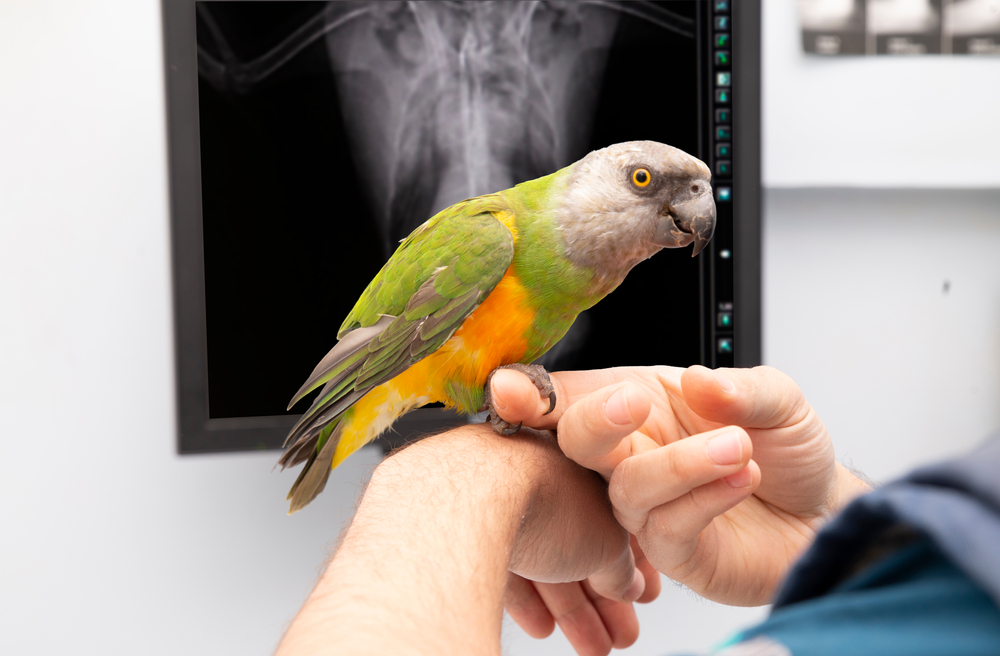
Birds, reptiles, rabbits, and small mammals are extremely sensitive to household toxins. For these species, symptoms may include weakness, loss of balance, open-mouth breathing, drooping wings, convulsions, or sudden changes in appetite or droppings. Because exotic pets often hide illness until it’s advanced, even subtle changes warrant a prompt evaluation.
If you are unsure whether your pet’s symptoms indicate poisoning, err on the side of caution. The veterinary professionals at Huntsville Veterinary Specialists & Emergency are trained to triage and stabilize a wide range of emergencies for all types of small animals and exotics.
Common Causes: Household and Environmental Toxins in Huntsville Homes
Many everyday substances can be dangerous to pets. Understanding what’s toxic is the first step in prevention, but accidents can still happen even in the most careful homes.
Frequently Encountered Toxins in North Alabama
Some of the most common poisons seen in our emergency hospital include human medications such as pain relievers (acetaminophen, ibuprofen), antidepressants, and heart medications. Foods like chocolate, xylitol (a sugar substitute found in gum and baked goods), grapes, raisins, and onions are highly toxic to dogs and cats. Household cleaners, insecticides, rodenticides (rat poison), and antifreeze are also major risks.
Certain plants, including lilies (extremely dangerous for cats), sago palm, and azaleas, are found in many local yards and homes and can be deadly if ingested. For exotic pets, Teflon fumes, scented candles, and aerosol sprays can be hazardous, especially for birds.
Why Pets are So Vulnerable
Pets are naturally curious and may explore their environment by tasting unfamiliar items. Small body size means even tiny amounts of a toxin can be life-threatening. Exotic pets, in particular, have specialized metabolisms that make them more susceptible to household chemicals and fumes.
If you suspect your pet has gotten into something dangerous, never wait for symptoms to appear. Immediate action can save lives.
Emergency Treatment: What Happens When You Bring Your Pet In
When you arrive at Huntsville Veterinary Specialists & Emergency, your pet will be triaged immediately—walk-ins are always welcome, and no appointment is needed. Our team uses advanced diagnostic tools, including diagnostic imaging and testing, to rapidly identify the cause of symptoms and determine the best course of action.
Initial Triage and Stabilization
The first priority is to stabilize your pet’s breathing, heart rate, and circulation. Depending on the type of poison and how recently it was ingested, treatment may involve inducing vomiting, administering activated charcoal to bind toxins, intravenous fluids, or antidotes specific to certain poisons. Our veterinarians may also use advanced monitoring equipment to check vital signs and organ function.
If your pet is having seizures, difficulty breathing, or has collapsed, urgent intervention is critical. Our emergency team is equipped to provide oxygen therapy, anti-seizure medications, and intensive care for critically ill animals.
Advanced Care and Specialized Services
For more severe cases, your pet may require hospitalization for monitoring, supportive care, and advanced procedures. If surgery is needed—for example, to remove a foreign object or address internal bleeding—our surgical and critical care specialists are available 24/7. Exotic pets with poisoning concerns receive species-specific treatment through our avian and exotic pet specialty care.
Every poisoning case is unique, and the treatment plan will be tailored to your pet’s species, size, and the specific toxin involved. Our veterinary team will keep you informed at every step and provide guidance on home care after discharge.
Immediate Actions at Home: What Pet Owners Should—and Should Not—Do
If you believe your pet has ingested or been exposed to a toxin, your first step should always be to ensure their safety and call a veterinarian immediately. Do not try to treat poisoning at home or wait to see if symptoms develop.
Steps to Take in a Suspected Poisoning
Remove your pet from the source of the toxin and secure any packaging or remnants for identification. Call a veterinary professional at once and be ready to provide details about what your pet may have been exposed to, how much, and when. Do not induce vomiting or administer any home remedies unless specifically instructed by a veterinarian, as some substances can cause more harm if vomited.
If your pet has a toxic substance on their fur or skin, prevent them from licking it and avoid using harsh chemicals to clean them. Instead, use lukewarm water and mild soap, then seek veterinary advice right away.
What Not to Do
Never give your pet human medications, milk, or activated charcoal without veterinary guidance. Do not rely on internet remedies, as these can delay life-saving treatment or make things worse.
Prevention: Keeping Your Pets Safe from Poisoning
While not all emergencies can be prevented, there are practical steps pet owners can take to reduce the risk of accidental poisoning.
Pet-Proofing Your Home
Store all medications, foods, cleaning products, and chemicals securely out of reach—consider childproof latches or high cabinets. Avoid using rodenticides, insecticides, or toxic plants in areas your pets can access. For exotic pets, be mindful of air quality and avoid using nonstick cookware or scented products in the same room.
Be aware of seasonal risks as well, such as antifreeze spills in winter or increased pesticide use during warmer months. Educate everyone in the household about what is and is not safe for your pets, especially visiting friends or family members.
When to Seek Veterinary Care: Don’t Wait—Act Immediately
Any time you suspect your pet has ingested or been exposed to something toxic, immediate veterinary care is essential. You should bring your pet to an emergency hospital if you notice sudden vomiting, seizures, difficulty breathing, collapse, pale gums, unresponsiveness, or any rapid change in behavior after possible toxin exposure.
The sooner your pet receives professional treatment, the better the outcome. Some toxins can cause irreversible damage or death within hours, so waiting for symptoms to worsen can be deadly. If you are ever uncertain, it is always safer to have your pet evaluated by a veterinary professional.
At Huntsville Veterinary Specialists & Emergency, our emergency services are available 24/7, including nights, weekends, and holidays. Walk-ins are always welcome, and you do not need an appointment to receive immediate care.
Your Local Emergency Resource for Pet Poisoning in Huntsville
Poisoning is a true emergency that requires fast action and expert care. If you ever find yourself searching for an "emergency vet near me," remember that the team at Huntsville Veterinary Specialists & Emergency is here for you and your pets, day or night. Our veterinarians combine advanced diagnostics, compassionate care, and years of emergency experience to provide the best possible outcome for your dog, cat, or exotic pet.
If you suspect your pet has been exposed to a toxin or is showing warning signs of poisoning, do not wait—bring them to 800 Doctor Joseph E. Lowery Boulevard, Huntsville, AL 35801 or call us at (512) 475-4700 right away. Our emergency veterinary care is always open, with a team ready to help your pet when every second counts.
For more information about advanced diagnostics or species-specific care for exotic pets, visit our diagnostic imaging and testing and avian and exotic pet specialty care service pages. Your pet’s safety is our top priority, and we are honored to be the trusted emergency resource for Huntsville and surrounding communities.