
Recognizing Signs of Pet Trauma After an Accident

Recognizing Signs of Pet Trauma After an Accident
When accidents happen, it can be a frightening experience for both you and your companion animal. Whether your dog was struck by a car, your cat fell from a height, or your exotic pet was caught in a scuffle, the aftermath of trauma is often confusing and stressful. Some injuries are obvious, but many can be hidden beneath the surface, making it crucial for pet owners in Huntsville and surrounding communities to know what to watch for. At Huntsville Veterinary Specialists & Emergency, located at 800 Doctor Joseph E. Lowery Boulevard, Huntsville, AL 35801, our team is available 24/7 to provide the urgent and advanced care your pet needs when emergencies strike. Walk-ins are always welcome and no appointment is needed, ensuring that you can access life-saving care when your regular veterinarian is unavailable. In this guide, we will help you recognize the warning signs of trauma in dogs, cats, and exotic pets, discuss what steps to take after an accident, and explain when you should seek our critical care services right away.
Spotting the Signs: How to Tell if Your Pet Needs Emergency Attention
Pet trauma can present in many different ways, depending on the type of accident and the species involved. Some injuries are immediately obvious, while others may take hours or even days to become apparent. Key symptoms that suggest your pet may have suffered significant trauma include difficulty breathing, visible wounds or bleeding, limping or inability to walk, and swelling of limbs or abdomen. Other warning signs are more subtle, such as pale gums, rapid or shallow breathing, changes in behavior like hiding or vocalizing, and a sudden reluctance to move or be touched.
In cats, you might notice labored breathing, open-mouth breathing, or a hunched posture, especially after a fall. Dogs often show signs such as whining, panting excessively, or refusing food. Exotic pets—including rabbits, guinea pigs, birds, and reptiles—can be even more challenging to assess. These species may hide their symptoms for as long as possible, so any change in normal behavior, posture, or appetite after an accident should be treated as serious. Internal injuries, such as organ damage or bleeding, may not be visible externally but can be life-threatening if not addressed promptly. If you observe any of these signs, it is essential to seek emergency veterinary care immediately.
Understanding the Causes: Why Trauma Happens and Which Injuries Are Most Common
Accidents and injuries can occur unexpectedly, even in the safest environments. For dogs and cats, common causes of trauma include being hit by a car, falling from an elevated surface, animal fights, and getting caught in closing doors or heavy objects. Indoor cats are not immune to trauma; a sudden leap from a bookshelf or a tangle with another household pet can result in serious injury. Small dogs are especially vulnerable to falls, while larger breeds may sustain injuries during vigorous play or roughhousing.
Exotic pets face unique risks. Birds and small mammals can be injured by falls, being stepped on, or accidents involving household objects. Reptiles may suffer trauma from improper handling or enclosure escapes. In all species, trauma can result in a range of injuries, from broken bones and bruises to internal bleeding, head injuries, and puncture wounds. While some injuries are immediately obvious, others—such as soft tissue damage, ruptured organs, or neurological trauma—may not manifest until hours after the event.
Professional Treatment Options for Pet Trauma in Huntsville
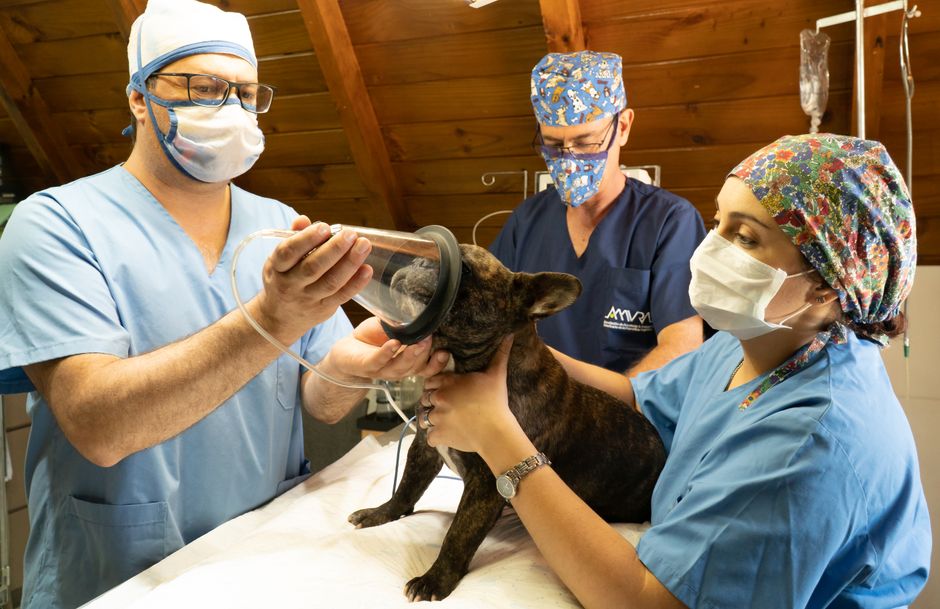
When a pet arrives at Huntsville Veterinary Specialists & Emergency after an accident, our veterinary team is trained to act quickly and efficiently. The first step is always triage, which involves assessing the most life-threatening conditions and stabilizing your pet’s vital signs. Advanced diagnostic tools, such as digital radiology and CT scans, help our veterinarians identify fractures, internal bleeding, and hidden injuries that may not be visible during a physical exam.
Depending on the nature of your pet’s injuries, treatment approaches may include intravenous fluids to treat shock, pain management, wound cleaning and suturing, and emergency surgery for severe trauma. Our board-certified surgeons are equipped to handle complex orthopedic injuries, soft tissue damage, and neurological emergencies. If your pet has suffered a head injury or spinal trauma, specialized services such as MRI imaging, neurology, and neurosurgery are available to ensure comprehensive care.
For exotic pets, our team’s expertise covers a wide variety of species. Avian and exotic animal trauma requires specialized knowledge and gentle handling, which is why we offer specialty veterinary care for avian and exotic pets involved in accidents or trauma. With access to advanced imaging and tailored support, we can deliver the critical care your unique companion needs.
Home Care and Prevention: What You Can Do After an Accident
While immediate veterinary care is always the first priority for serious injuries, there are important steps you can take at home or on your way to the clinic. If your pet is bleeding, gentle pressure with a clean cloth can help control the flow until you arrive. If your dog or cat is having trouble breathing, keep them calm and minimize handling. Transport your pet in a secure carrier or on a flat surface, especially if you suspect head, neck, or spinal injuries. Avoid offering food or water unless directed by a veterinarian, as some injuries may require anesthesia or surgical intervention.
Prevention strategies are equally important. Ensure windows and balconies are secured to prevent falls for both cats and exotic pets. Keep dogs on a leash near roads, and supervise interactions between pets to minimize the risk of fights. For exotic pets, regularly inspect enclosures for potential hazards and educate household members about proper handling techniques. Quick action and attentive observation can make a significant difference in your pet’s recovery and outcome after trauma.
When Should You Seek Emergency Veterinary Care?
Some pet injuries require immediate attention, while others may initially seem minor but worsen over time. You should seek emergency care if your pet exhibits any of the following: difficulty breathing, uncontrolled bleeding, collapse, seizures, persistent vomiting or diarrhea, or any signs of pain such as whimpering, restlessness, or extreme lethargy. Injuries involving the head, neck, chest, or abdomen always warrant urgent evaluation, as damage to these areas can quickly become life-threatening.
Even if your pet appears normal after an accident, it is important to remember that internal injuries can develop silently. Delayed symptoms such as pale gums, weakness, or distended abdomen can signal internal bleeding or organ damage. For exotic pets, any abnormal behavior or sudden decline in activity is a cause for concern. At Huntsville Veterinary Specialists & Emergency, no appointment is needed and walk-ins are always welcome. We are open 24/7 to provide emergency care when your regular veterinarian is unavailable, serving Huntsville and surrounding communities with advanced diagnostics, surgery, and critical care.
Supporting You and Your Pet Through Every Emergency
Recognizing the signs of trauma after an accident can save your pet’s life. From visible wounds to subtle behavioral changes, knowing when to act ensures that your companion receives the urgent care they need. The veterinary professionals at Huntsville Veterinary Specialists & Emergency are committed to supporting you and your pet, whether you have a dog, cat, or exotic animal. Our advanced diagnostic imaging, emergency surgery, and critical care services are all available under one roof to provide the highest standard of care.
If you are ever unsure about your pet’s condition, do not wait—visit our emergency vet hospital at 800 Doctor Joseph E. Lowery Boulevard, Huntsville, AL 35801 or call us at (512) 475-4700. Our doors are always open, day or night, and our compassionate team is ready to help when every second counts. When searching for an emergency vet near me, trust the experience and dedication of Huntsville Veterinary Specialists & Emergency to deliver the care your pet deserves. For more information about our services, including emergency veterinary care, advanced diagnostic imaging, and specialized surgery, visit our website at hvsevet.com.
This blog is intended for informational purposes only and does not replace professional veterinary care. Always consult with a veterinarian for specific concerns regarding your pet’s health or in the event of an emergency.