
Recognizing Heatstroke in Pets: When to Seek Emergency Care

Recognizing Heatstroke in Pets: When to Seek Emergency Care
Warm September days in Huntsville can bring unexpected dangers for your pets, especially when high humidity and rising temperatures combine. Heatstroke is a life-threatening emergency for dogs and cats, and every minute counts when your animal shows signs of overheating. At Huntsville Veterinary Specialists & Emergency, located at 800 Doctor Joseph E. Lowery Boulevard, Huntsville, AL 35801, our 24/7 emergency veterinary team is always ready to provide critical care for pets in crisis. There is no need to wait for an appointment; walk-ins are always welcome, and you can come straight to our hospital when your regular vet is unavailable. In this guide, you will learn how to spot the early warning signs of heatstroke in your dog or cat, what to do if you suspect it, and when to seek immediate help from our emergency veterinary professionals. We will also discuss why heatstroke happens, how it is treated, steps you can take to prevent it, and how to find trustworthy emergency veterinary care in Huntsville and surrounding communities.
Recognizing the Signs of Heatstroke in Dogs and Cats
Heatstroke can develop quickly, even during relatively mild temperatures if pets are left in hot environments, overexert themselves, or cannot escape direct sunlight. Dogs and cats cannot cool themselves as efficiently as humans, relying mainly on panting and limited sweat glands in their paws. Recognizing the signs early can make a lifesaving difference.
Key symptoms of heatstroke in pets include rapid, frantic panting that does not improve with rest, drooling that appears thicker or stickier than usual, and bright red or pale gums and tongue. Other warning signs to watch for are weakness, staggering, vomiting, diarrhea, and collapse. In more severe cases, pets may experience seizures, become unresponsive, or lose consciousness altogether. Some animals may show agitation or distress, searching for water or trying to escape the heat. If your pet is breathing heavily, seems confused, or is unable to get up, these are clear indications that emergency intervention is needed.
Cats tend to hide when unwell, so owners should be especially alert to subtle changes such as lethargy, rapid breathing with an open mouth, or unusual vocalization. Since heatstroke progresses rapidly, prompt action is essential.
Why Pets in Huntsville Are at Risk for Heatstroke
Huntsville's late summer and early fall weather can be unpredictable, with hot spells that linger well into September. Humidity increases the risk because it makes it harder for pets to cool off through evaporation. Dogs with short noses, such as Bulldogs, Pugs, or Boston Terriers, are at especially high risk, as are overweight pets, the very young or old, and those with underlying health conditions.
Heatstroke often occurs when pets are left in parked cars, even with the windows cracked, as temperatures inside vehicles rise to dangerous levels within minutes. Other common scenarios include outdoor activities during peak heat, being left in direct sunlight without shade or water, or excessive playtime or exercise. Certain breeds with thick coats or preexisting respiratory issues are more likely to overheat quickly.
Cats are also vulnerable, especially if they are confined to sunrooms, garages, or poorly ventilated areas during hot weather. Even brief periods in these environments can be dangerous. Pet owners should be mindful of local weather patterns and take precautions to keep animals cool and hydrated.
How Emergency Vets Diagnose and Treat Heatstroke
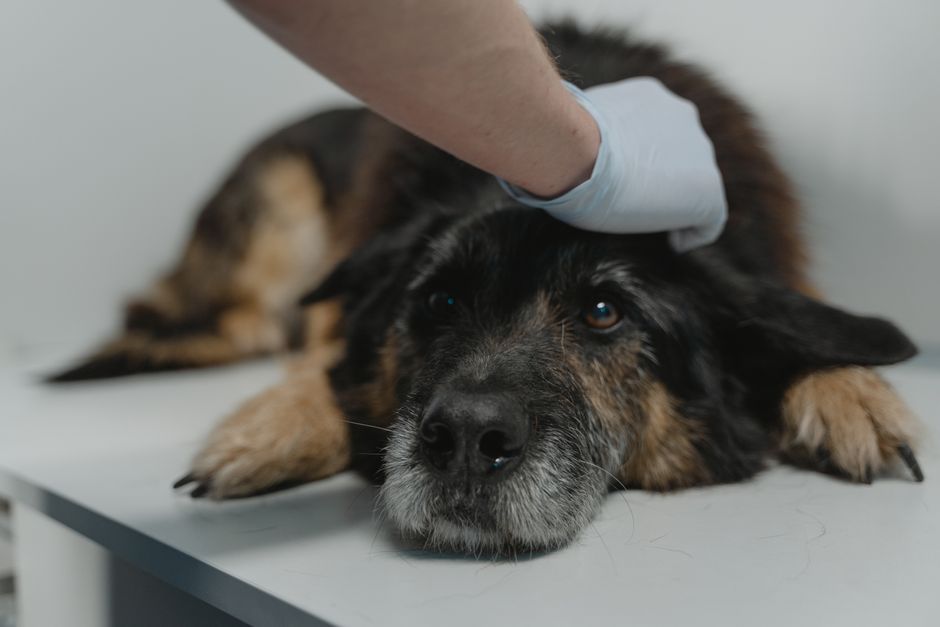
When a pet arrives at our emergency hospital with suspected heatstroke, the veterinary team acts immediately to stabilize vital signs and begin cooling procedures. Diagnosis is based on clinical signs, a thorough physical examination, and assessment of your pet’s recent history. Core body temperature is measured, and advanced diagnostics such as blood work may be performed to check for organ damage, electrolyte imbalances, and blood clotting disorders. Our team may also use advanced diagnostic imaging and testing if there are concerns about complications affecting internal organs or the nervous system.
Initial treatment focuses on gradually lowering your pet’s body temperature using cool water baths, wet towels, and fans. It is crucial to avoid ice-cold water or ice packs, as these can cause blood vessels to constrict and worsen the situation. Intravenous fluids are often administered to prevent dehydration and support organ function. Oxygen therapy, medications to control seizures or vomiting, and intensive monitoring are provided as needed. In severe cases, hospitalization for ongoing supportive care is necessary to address complications such as kidney failure, abnormal blood clotting, or neurological damage.
Throughout the process, our emergency veterinary professionals work to stabilize your pet, monitor progress with advanced equipment, and communicate with you about treatment steps and prognosis. The window for successful recovery is narrow, so immediate intervention is key.
What to Do if You Suspect Heatstroke at Home
If you believe your pet is suffering from heatstroke, take action right away. Move your dog or cat to a shaded, cool area and offer small amounts of water if they are alert and able to drink. Begin gentle cooling by wetting their fur with lukewarm (not cold) water and using fans to promote evaporation. Do not force your pet to drink, and never use ice or very cold water, as this can cause shock.
Continue these measures while preparing to transport your pet to the nearest emergency veterinary hospital. Call ahead if possible, but never delay seeking care. Even if your pet seems to improve after home cooling, hidden internal damage may still be present. Professional evaluation is always recommended after a heatstroke incident.
Preventing Heatstroke: Keeping Pets Safe in Warm Weather
Preventing heatstroke is far easier than treating it. Always provide pets with access to fresh water and shade, and avoid outdoor activities during the hottest parts of the day. For dogs, walks and playtime should be scheduled in the early morning or late evening when temperatures are lower. Never leave pets unattended in vehicles, even for a short time. At home, ensure that cats have cool, well-ventilated areas and can escape from sun-exposed rooms or porches.
For pets with special risk factors, such as brachycephalic breeds or those with health conditions, extra caution is warranted. Grooming long-haired pets to remove excess undercoat can help, but shaving is not always recommended, as fur also protects against sunburn. Monitor your pet’s behavior closely for any signs of distress during warm weather, and adjust exercise routines as needed.
Education is a powerful tool. Share heat safety tips with family, friends, and neighbors to help protect pets throughout the Huntsville area.
When to Seek Emergency Veterinary Care for Heatstroke
Time is critical when it comes to heatstroke. You should seek immediate veterinary care if your dog or cat displays rapid, persistent panting, drooling, weakness, vomiting, diarrhea, confusion, or collapse during warm weather. If your pet is unresponsive, having seizures, or unable to stand, come directly to our hospital without delay.
At Huntsville Veterinary Specialists & Emergency, our emergency care team is available 24/7, including evenings, weekends, and holidays. We welcome walk-ins at all hours, and there is no appointment needed. Our facility is equipped for advanced diagnostics, critical care, and specialized treatments for dogs, cats, and exotic pets. If you are unsure whether your pet’s symptoms require urgent attention, it is always better to err on the side of caution and have your animal evaluated. For more information about what to expect during a veterinary emergency, visit our page on emergency veterinary care.
Why Local Emergency Veterinary Care Matters
In an emergency, every second counts. Having a trusted local emergency veterinary hospital means you can get life-saving help for your pet when your regular veterinarian is closed or unavailable. Our team at Huntsville Veterinary Specialists & Emergency is dedicated to supporting pet owners throughout Huntsville and surrounding communities, offering advanced care and compassion during your pet’s most critical moments.
If you are searching for an “emergency vet near me,” know that our hospital is always open and ready to help. We have the specialized equipment, medical expertise, and commitment to ensure your pet receives the best possible care, day or night.
Take Action: Protect Your Pet from Heatstroke in Huntsville
Heatstroke is a preventable but potentially deadly emergency for pets, especially during Huntsville’s lingering warm months. Recognizing the warning signs, acting quickly at home, and seeking urgent veterinary care can save lives. If your dog or cat is showing signs of overheating, do not wait—bring them to Huntsville Veterinary Specialists & Emergency at 800 Doctor Joseph E. Lowery Boulevard, Huntsville, AL 35801 right away. Walk-ins are always welcome, and our emergency veterinary team is available 24/7 to provide the critical care your pet needs. For questions or immediate assistance, call (256) 715-4381. When every second matters, trust our experienced veterinary professionals to guide you and protect your pet’s health.
If you would like to learn more about our emergency services or what to expect during your visit, please explore our emergency veterinary care resources or our information on advanced diagnostic imaging and testing. Your pet’s safety is our top priority, and we are always here when you need an emergency vet near me in Huntsville.